Nervous system
Rhythmic pressure supports calm and can help activate the parasympathetic nervous system, associated with recovery and rest.
Understanding the practice
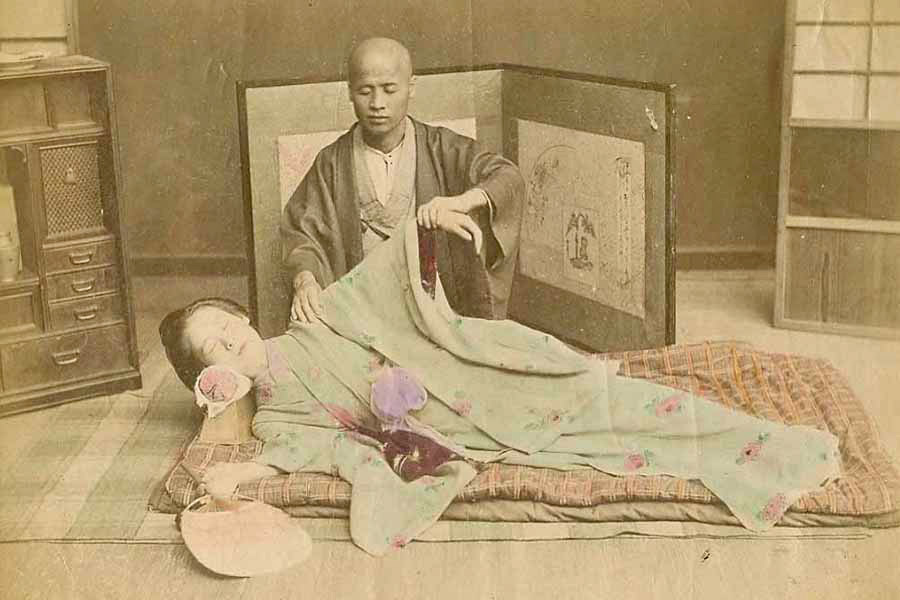
A Japanese hands-on practice inspired by Chinese medicine, Shiatsu uses rhythmic pressure over clothing, on specific points and along meridians. In Chinese medicine, health is linked to the good circulation of blood, body fluids and energy.
Receiving a session
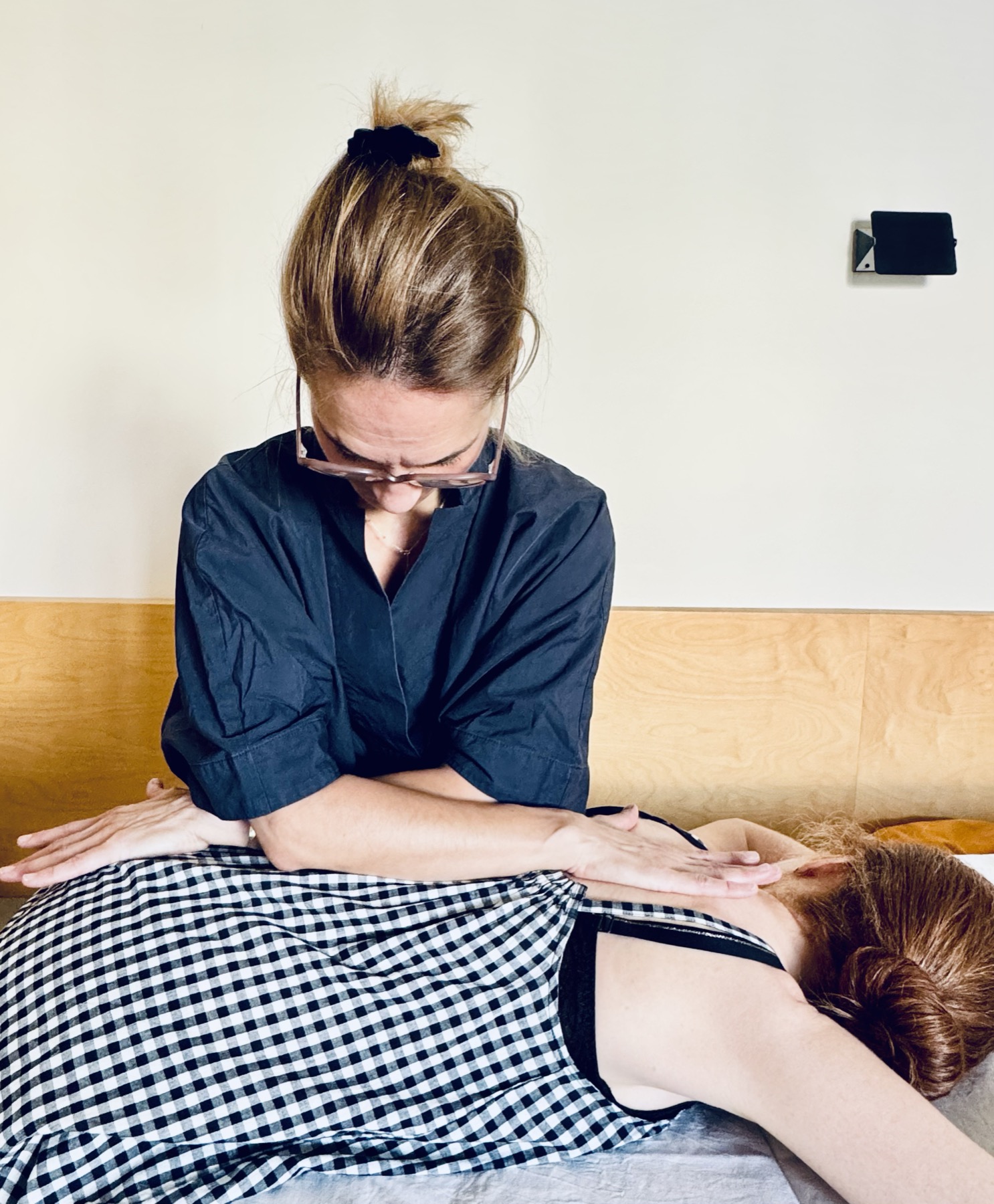
The practitioner uses thumbs, palms and sometimes forearms to apply adapted pressure over clothing.
The session does not force the body. It accompanies what the body can release.
Rhythmic pressure supports calm and can help activate the parasympathetic nervous system, associated with recovery and rest.
It accompanies the release of muscular and tissue tension, especially in the back, neck, shoulders, arms or belly.
In traditional reading, meridian work supports the balance of organs and functions, each associated with an emotional quality.
Qi can be understood as the body's energy: what animates, transforms, protects and sets in motion. The session also supports blood and fluid circulation.
The vital force, Qi, is composed of two complementary forces: Yin and Yang. Shiatsu seeks to support their balance.
Each seasonal transition asks the body to adapt. Shiatsu can accompany this passage.
Origins
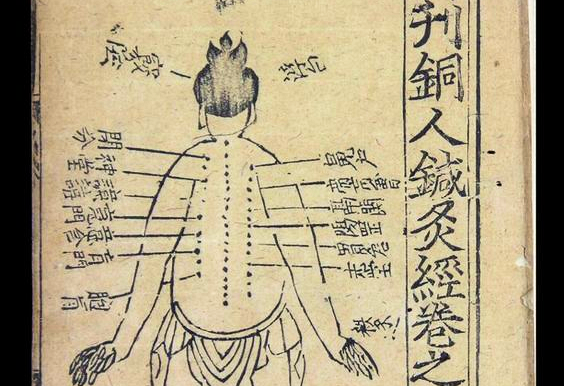
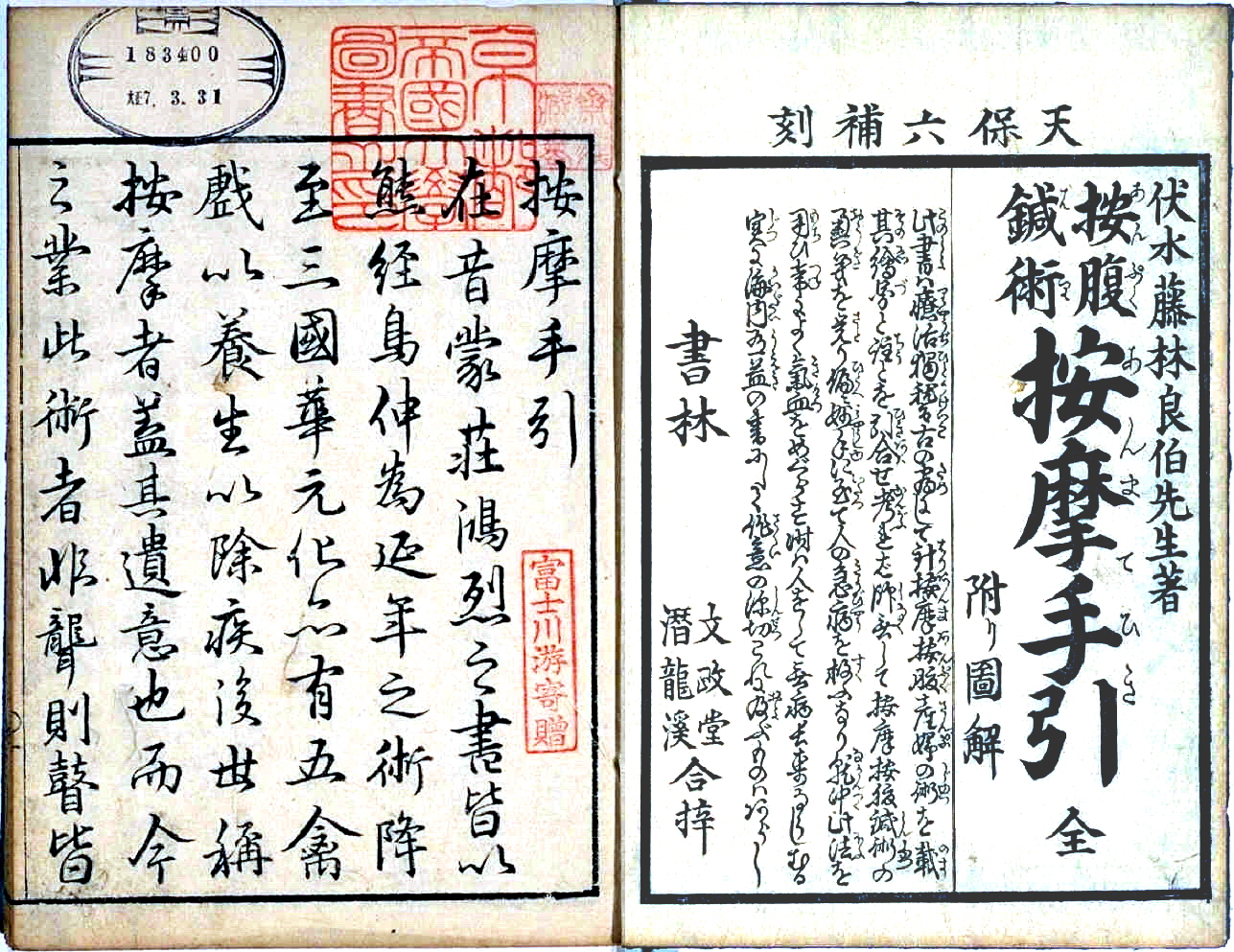
Shiatsu is the result of many exchanges over centuries with China, Korea and, from the 17th century, the West, especially the Netherlands and Portugal. It belongs to a holistic tradition: the person is considered as a whole, connecting body, mind, emotions, environment and seasonal rhythms.
Today's body
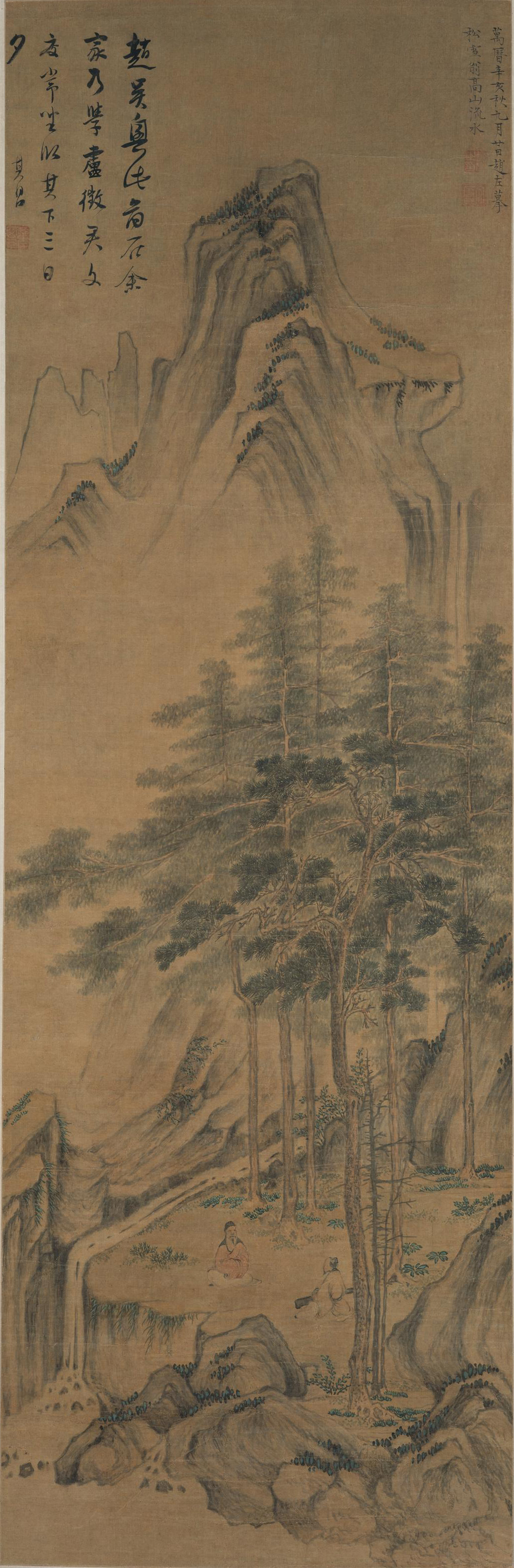
Lao Tzu, around 2,500 years ago, already evoked the art of following the movements of life.
Modern research observes the body's electrical activity: nervous system, heart, muscles, conductance and measurable signals. These contemporary readings do not replace the notion of Qi, but they remind us that the body is a living, sensitive and connected system.
Shiatsu is recognised in Japan as a manual therapy by the Ministry of Health since 1955.
It can accompany the body's natural self-regulation capacities and support quality of life, especially during periods of stress, fatigue or medical treatment.
It never replaces diagnosis, treatment or medical follow-up. In case of serious pathology, please consult a doctor or qualified healthcare professional.